Get your 'self' out of the way so God can work!
He must increase, but I must decrease (John 3:30) John the Baptist was talking about Jesus. At first glance, you may think he is talking about their respective popularity or ministries. He may have. But it must also happen in our individual lives. Jesus must increase in our lives, and worldly thoughts that we've had since childhood must decrease. Our wants and desires as fleshly people are directly contrary to God's desires. In order for your spirit to grow, it must become unencumbered by your flesh and soul (Mind, will, emotions).
Note:
The following text assumes that you have accepted Jesus as Savior and been baptized (If you want any hope of growing spiritually, get baptized. Baptism will not save your soul, but do it. You will be very glad you did.)
Spiritual maturity will happen naturally as a result of removing the obstacles between you and God. Just like when you were a kid, no conscious effort could make you grow one inch. You eat right, get exercise, and growth happens. Same with your spirit.
With spiritual growth, as with a healthy body, there are things you need to eat. And there are things you must stop eating.
Things to do for spiritual growth
The spiritual things you need to 'eat' are many. The basic food groups are: study your Bible, fellowship with other Christians, and be helpful and charitable. In other words, live as godly a life as God give you the grace.
Major things to get rid of (with God's help and guidance. You cannot do it alone):
- Flesh must die: Dying to self is not physical death. You must consider yourself dead to your flesh. If you are thinking about fleshly things -- things of this world -- you are not thinking about God. Jesus said that in order to follow Him, we must deny our flesh, and take up your cross daily. (See Matthew 16:24)
- Rebellion or Disobedience: Follow your conscience. If you know something is wrong, don't do it.
- Deliberate Sin: This is the most commonly recognized block to God. (See Colossians 2:21) God cannot look upon sin. Don't worry, sin is forgivable if you are repentant (sorry for what you have done and turn from that activity). God's grace is not a license to sin, but a way out. Accept it and He will remove not only the sin, but even the very desire. It is awesome. An old sage once said, a clear conscience is the softest pillow.
- Resentments and Unforgiveness: A mind that is thinking about how badly they were treated is not thinking about God (God is very polite. He will not yell and scream in your face.) Forgive the wrongs others have done to you. Even if they are not sorry they did it. Resentments only do you harm. I've heard it said that unforgiveness is like taking poison hoping the other person will die. It's that important. How to forgive? Pray for the other person. Not just some generic prayer for their well-being -- but pray that they get all the good things that you wish for yourself. After a few weeks, or even month or so, you will begin to truly feel like you want good things to happen to them. It really works. Also, thinking upon all the things you have been forgiven for is a big help.
- Fear: The opposite of fear is not courage. Courage is doing what needs to be done even when you are afraid. The opposite of fear is faith. If you have faith in almighty God, what can there possibly be to be afraid of?
- Guilty Feelings: Confess your sins, and Jesus is just to forgive. (See 1 John 1:9) if you have confessed your sins and have turned form that sin, and still feel guilty, it is probably just the devil trying to steal your peace. Just keep reminding yourself (out loud is best) that you are forgiven by the blood of Jesus, and it will go away over time.
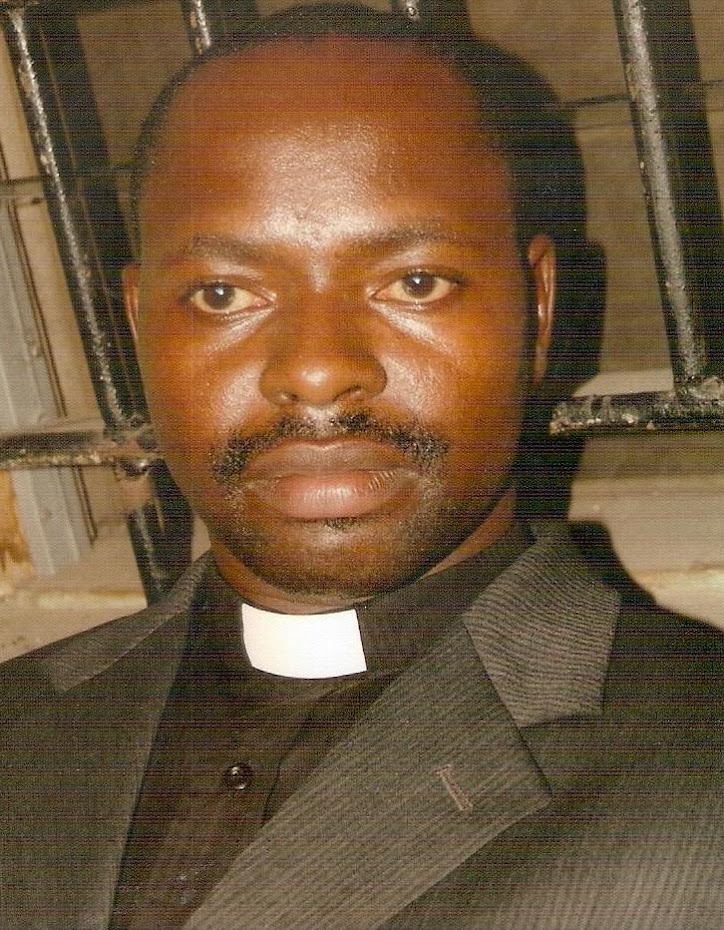
COME TO JESUS CHRIST TODAY, TOMORROW MAY BE TOO LATE FOR YOU.
Showing posts with label Christian Spiritual Growth. Show all posts
Showing posts with label Christian Spiritual Growth. Show all posts
Sunday, September 5, 2010


Personal Spiritual Growth - Seven Stages of a Deepening Faith
Spiritual growth is directly related to the depth of a one's faith. When a person's faith is shallow then God seems small and unable to do much in that person's life. When a person's belief and ascent is deep then God grows in their sight; they trust him more, believing that he can positively affect their existence. Through the narrative of the Christian Bible, the watchful reader can detect at least seven stages of faith. This article will briefly discuss those seven stages.
Stage One - No or Contemptible Faith
The first stage of faith is no faith or contemptible faith. It is the type of carnal acknowledgement that does not really believe God exists but plays along with others in order to manipulate a situation for their favor. This is the type of faith demonstrated by the Pharaoh of Egypt when God sent Moses to deliver the Israelites from captivity. When God sent plagues on the people of Egypt, Pharaoh would attempt to placate Moses and Aaron by acquiescing to the thought of God. When the effects of each plague would subside, Pharaoh would harden his heart and reject God.
Stage Two - Faith on One's Own Terms
The second stage of belief is faith on one's own terms. This is the type of faith demonstrated by Jacob. In the story of Jacob found in the book of Genesis (the first book of the Bible), Jacob is sent away from his family because his older brother Esau wants to kill him. On the way out of Canaan (modern day Palestine), Jacob has a dream about angels ascending and descending a ladder connected to heaven. In the dream God promises to bless Jacob like he blessed Jacob's grandfather Abraham and father Isaac. However, Jacob sets up conditions that must be met if God is to be Jacob's God. Jacob agrees to allow God to be his God only if God leads him safely back to his father's home. Jacob ties his faith to God's faithfulness to meet Jacob's needs according to Jacob's terms.
Stage Three - Faith Linked to a Vision and a Tangible Promise
The third stage of faith is belief based on a tangible promise. This type of faith is exemplified by Abram (later renamed Abraham). Abram lived with his parents and extended family in the land of the Chaldeans (also known as Babylon or modern day Iraq). Abraham has been described in the Bible as a friend of God and the father of faith. However, Abraham's faith came in conjunction with a vision of God and a tangible promise that God gave him. When the Lord commanded Abram to leave his family and friends to go to a land he had never seen before, God also promised that he would bless Abraham and his offspring greatly for doing so.
Stage Four - Faith without Seeing
The next stage of faith is belief without seeing. After Jesus had resurrected and appeared to some of his disciples, another disciple named Thomas refused to accept the idea that Jesus had risen from the dead. He stated emphatically that the only way he would believe is if Jesus appeared to him and he was able to touch Jesus' scars in his hands and his side. A week later, Jesus fulfilled Thomas' request and appeared to him at which time Thomas fell to his knees and declared Jesus to be "My Lord and My God." (The Holy Bible, John 20, NIV). To this Jesus commented that Thomas had to see in order to believe and then said, "Blessed are those who believe and yet have not seen." In the same way the Apostle Peter praises believers in Asia Minor for continuing to whether persecution even though they had never seen Jesus nor had a vision of God.
Stage Five - Faith When Things Are Not Going So Well
Psalm 73 in the Bible's Old Testament was a lament written by royal court composer Asaph. The top level songwriter of his day, Asaph seemed to write this psalm when he was at a low place in his life. He wonders aloud why the wicked seem to prosper in this life, while the righteous know nothing but continual hardship. After he has finished his rant, Asaph finally realizes that the success of the wicked is but a slippery slope and altogether temporal. Then he confesses his folly and acknowledges that if he has a relationship with the Lord Almighty, he has all he needs. Asaph declares: "Whom have I in heaven but you? And earth has nothing I desire besides you. My flesh and my heart may fail, but God is the strength of my heart and my portion forever." Asaph has faith that, even if he cannot see how, God will provide for his well-being.
Stage Six - Faith Even if God Does Not Choose to Provide
In the book of prophecy bearing his name, Daniel recounts the occasion when King Nebuchadnezzar of Babylon erected a giant golden statute in his likeness and ordered all the peoples of his kingdom to bow down to it. When the time came for the people to prostrate themselves before the idol, three of Daniel's Israelite compatriots, Shadrach, Meshach, and Abednego, refused and were thrown in prison. The king was incensed by this and had a furnace prepared to burn them alive. Before he through them in the flames, the king gave them one more chance to comply. To this the men answered that they did not have to answer to the king and that they had confidence that there God would deliver them. Then they added these words: "But even if [God] does not, we want you to know, O king, that we will not serve your gods or worship the image of gold you have set up." (Daniel 3, Holy Bible, NIV). The sixth stage of faith is the undying belief that sticks even if God chooses not to intervene and provide salvation. God is God and he is not bound to serve us. Instead, we should believe because he exists and humbly accept his will for our lives whether favorable or not.
This type of trust in God the Heavenly Father was also demonstrated by Jesus in the garden of Gethsemane the night before his crucifixion. Jesus, deeply anguished by the fate awaiting him, asked the Father to take the cup away from him and then, relinquished his will to the Father's will and plan.
Stage Seven - Faith Even if there is No Prospect of God Intervening or Providing in Any Way
In the two examples listed above, Jesus and the three Israelites had some prospect that God would intervene in some shape or form. Many prophecies had been written and records preserved about the coming Messiah and how he would suffer, die and then conquer the grave. Jesus knew these prophecies and he knew that he was the anointed one to fulfill them. However, the prophet Habakkuk had no such promise. He only knew that the Babylonians were going to invade and destroy Jerusalem. He is fully aware that there is no hope of salvation in his lifetime. Yet in the midst of such utter despair he writes:
"Though the fig tree does not bud and there are no grapes on the vines,
though the olive crop fails and the fields produce no food,
though there are no sheep in the pen and no cattle in the stalls,
yet I will rejoice in the LORD, I will be joyful in God my Savior."
(Habakkuk 3: 16-18, The Holy Bible, NIV).
Faith is the unwavering confidence that some exists or will happen even if you cannot see it. This includes faith in the outcome of a new venture or in an Almighty God. There are different stages of faith. This article has discussed seven stages found and illustrated by characters in the Christian Bible.
Stage One - No or Contemptible Faith
The first stage of faith is no faith or contemptible faith. It is the type of carnal acknowledgement that does not really believe God exists but plays along with others in order to manipulate a situation for their favor. This is the type of faith demonstrated by the Pharaoh of Egypt when God sent Moses to deliver the Israelites from captivity. When God sent plagues on the people of Egypt, Pharaoh would attempt to placate Moses and Aaron by acquiescing to the thought of God. When the effects of each plague would subside, Pharaoh would harden his heart and reject God.
Stage Two - Faith on One's Own Terms
The second stage of belief is faith on one's own terms. This is the type of faith demonstrated by Jacob. In the story of Jacob found in the book of Genesis (the first book of the Bible), Jacob is sent away from his family because his older brother Esau wants to kill him. On the way out of Canaan (modern day Palestine), Jacob has a dream about angels ascending and descending a ladder connected to heaven. In the dream God promises to bless Jacob like he blessed Jacob's grandfather Abraham and father Isaac. However, Jacob sets up conditions that must be met if God is to be Jacob's God. Jacob agrees to allow God to be his God only if God leads him safely back to his father's home. Jacob ties his faith to God's faithfulness to meet Jacob's needs according to Jacob's terms.
Stage Three - Faith Linked to a Vision and a Tangible Promise
The third stage of faith is belief based on a tangible promise. This type of faith is exemplified by Abram (later renamed Abraham). Abram lived with his parents and extended family in the land of the Chaldeans (also known as Babylon or modern day Iraq). Abraham has been described in the Bible as a friend of God and the father of faith. However, Abraham's faith came in conjunction with a vision of God and a tangible promise that God gave him. When the Lord commanded Abram to leave his family and friends to go to a land he had never seen before, God also promised that he would bless Abraham and his offspring greatly for doing so.
Stage Four - Faith without Seeing
The next stage of faith is belief without seeing. After Jesus had resurrected and appeared to some of his disciples, another disciple named Thomas refused to accept the idea that Jesus had risen from the dead. He stated emphatically that the only way he would believe is if Jesus appeared to him and he was able to touch Jesus' scars in his hands and his side. A week later, Jesus fulfilled Thomas' request and appeared to him at which time Thomas fell to his knees and declared Jesus to be "My Lord and My God." (The Holy Bible, John 20, NIV). To this Jesus commented that Thomas had to see in order to believe and then said, "Blessed are those who believe and yet have not seen." In the same way the Apostle Peter praises believers in Asia Minor for continuing to whether persecution even though they had never seen Jesus nor had a vision of God.
Stage Five - Faith When Things Are Not Going So Well
Psalm 73 in the Bible's Old Testament was a lament written by royal court composer Asaph. The top level songwriter of his day, Asaph seemed to write this psalm when he was at a low place in his life. He wonders aloud why the wicked seem to prosper in this life, while the righteous know nothing but continual hardship. After he has finished his rant, Asaph finally realizes that the success of the wicked is but a slippery slope and altogether temporal. Then he confesses his folly and acknowledges that if he has a relationship with the Lord Almighty, he has all he needs. Asaph declares: "Whom have I in heaven but you? And earth has nothing I desire besides you. My flesh and my heart may fail, but God is the strength of my heart and my portion forever." Asaph has faith that, even if he cannot see how, God will provide for his well-being.
Stage Six - Faith Even if God Does Not Choose to Provide
In the book of prophecy bearing his name, Daniel recounts the occasion when King Nebuchadnezzar of Babylon erected a giant golden statute in his likeness and ordered all the peoples of his kingdom to bow down to it. When the time came for the people to prostrate themselves before the idol, three of Daniel's Israelite compatriots, Shadrach, Meshach, and Abednego, refused and were thrown in prison. The king was incensed by this and had a furnace prepared to burn them alive. Before he through them in the flames, the king gave them one more chance to comply. To this the men answered that they did not have to answer to the king and that they had confidence that there God would deliver them. Then they added these words: "But even if [God] does not, we want you to know, O king, that we will not serve your gods or worship the image of gold you have set up." (Daniel 3, Holy Bible, NIV). The sixth stage of faith is the undying belief that sticks even if God chooses not to intervene and provide salvation. God is God and he is not bound to serve us. Instead, we should believe because he exists and humbly accept his will for our lives whether favorable or not.
This type of trust in God the Heavenly Father was also demonstrated by Jesus in the garden of Gethsemane the night before his crucifixion. Jesus, deeply anguished by the fate awaiting him, asked the Father to take the cup away from him and then, relinquished his will to the Father's will and plan.
Stage Seven - Faith Even if there is No Prospect of God Intervening or Providing in Any Way
In the two examples listed above, Jesus and the three Israelites had some prospect that God would intervene in some shape or form. Many prophecies had been written and records preserved about the coming Messiah and how he would suffer, die and then conquer the grave. Jesus knew these prophecies and he knew that he was the anointed one to fulfill them. However, the prophet Habakkuk had no such promise. He only knew that the Babylonians were going to invade and destroy Jerusalem. He is fully aware that there is no hope of salvation in his lifetime. Yet in the midst of such utter despair he writes:
"Though the fig tree does not bud and there are no grapes on the vines,
though the olive crop fails and the fields produce no food,
though there are no sheep in the pen and no cattle in the stalls,
yet I will rejoice in the LORD, I will be joyful in God my Savior."
(Habakkuk 3: 16-18, The Holy Bible, NIV).
Faith is the unwavering confidence that some exists or will happen even if you cannot see it. This includes faith in the outcome of a new venture or in an Almighty God. There are different stages of faith. This article has discussed seven stages found and illustrated by characters in the Christian Bible.
Subscribe to:
Posts (Atom)